Full comment
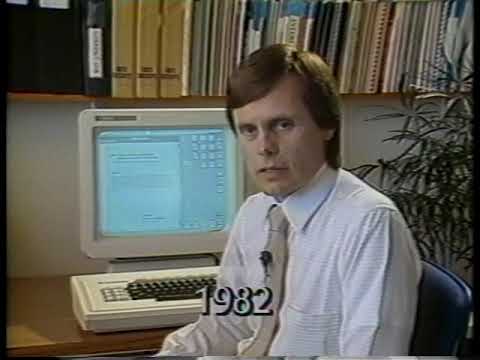
The history of Operating System development is really interesting in that the decisions of what the atomic element of the system are (files, documents, or applications) lock all future development into a certain path, but all the choices not made then have to be somewhat retrofit into the design. For decades systems have dwelled in a kind of morass where they seem to focus on trying to implement different variants of the other two, with one of these atomic elements as the core concept. For example, the dominant atomic concept in Xerox Star was the document [1]. Documents are an abstraction just above files. A webpage is a document, but is made up of numerous files like the graphics, fonts, executable scripts, etc. Document oriented systems like Star also deemphasize applications. The system is supposed to open up the correct application(s) when you choose to interact with a document. But even with this as the core abstraction, the system still had to provide methods to work directly with files and applications. Other systems, like Plan 9, nixes, MS-DOS, CP/M, etc. focus on the file as the atomic primitive and try to build around that. But when things moved to GUIs, many of the development teams focused on the Applications. Windows 3.x famously only showed users organized collections of applications, with file management as just another application. But Windows 3.x was sitting on top of DOS which oriented itself around files. The nixes in the meanwhile forgot about documents a