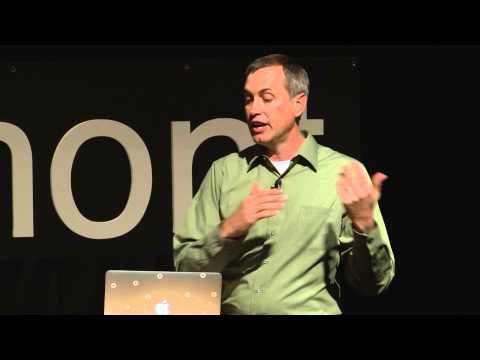
BJ Fogg of Stanford's Persuasive Tech Lab argues that lasting change comes from tiny habits, such as flossing one tooth or doing one pushup, anchored to things you already do.
Why Hacker News points people here: Recommended in habit and motivation threads for its simple anchor-then-tiny-action recipe.
“After I X, I will do Y. X must be sure, Y must be small.”HN comment, 2014
“After I X, I will do Y. X must be sure, Y must be small.”
BJ Fogg's Tiny Habits method: anchor small habits to existing triggers
Full comment
BJ Fogg's Tiny Habits. Essentially: 1. Pick a trigger -- something you already will definitely do at the rate of the new habit. 2. Find a version of the habit that takes no cognitive load and can be done in less than a minute. 3. Celebrate every time you do it. The template is: After I X, I will do Y. X must be sure, Y must be small. You must do it after. this video I also suggest putting in a system that makes it impossible to not do what you want. For the games/netflix one, just get rid of them. Don't depend on willpower -- make a system link For eating right -- journal everything you eat -- no need to track anything fancy except what it was and you will see results. The magic is that you don't eat things because you don't want to write it down. If you track one other thing, put a + or - next to it to indicate whether you think it was a good choice or not.
RecommendswilliamkennedySep 2016
“There is a great video on habit building”
Habit building video
Full comment
I have actually written about this a lot as it is one of those topics that I am fascinated with. The trick is not to try and motivate yourself but to build systems and processes to get things done regardless. For me, it boils down to 3 things. Pre-planning, habits and elimination. I have written about each separately on my blog link I plan a lot of stuff on my Google Calendar. My whole days are planned in advance including free time. When I am learning a new language, I set aside time for study. If a friend asks me to hang out, I can just check to see if I have prior commitments. I also have the regular gym slot and after 2+ years, I am simply routine when it comes to exercising. Next, learn how to build habits and routines. This saves a ton brain power. There is a great video on habit building this video Also, check out a book by Charles Duhigg called The Power of Habit. Finally, cut out the news and as much information as possible. Not watching the news added a ton of happiness to my life. This also cuts out distractions. Check out something called the Low Information Diet which goes into more detail as well as a book called Deep Work by Cal Newport I also wrote a guest post on the blog Simple Programmer that goes into more detail on the willpower.motivation side of things link I hope that helps. Largely I don't believe in long-term motivation, it is more to do with becoming routine.
RecommendseurticketDec 2017
“A TED talk by BJ Fogg on the subject.”
BJ Fogg's tiny habits pairing new habits with existing ones
Full comment
Create more tiny habits that pair onto activities I already do. Mostly Exercise, sit ups every time after I brush my teeth, stretching every time I press snooze on the alarm clock. A TED talk by BJ Fogg on the subject. this video