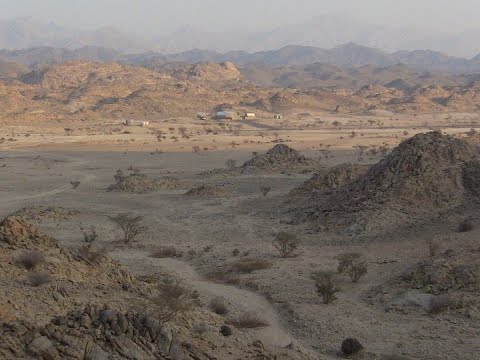
Al Baydha project co-founder Neal Spackman gives a final update nine years in, explaining how desertification followed the loss of indigenous land management and how the land has changed since inputs stopped in 2016. It lists which species worked best.
Why Hacker News points people here: HN cites it as encouraging evidence that deserts can be regenerated and greened.
“there is some really encouraging stuff going on out there!”
Community regenerating desert landscape in Saudi Arabia
Full comment
If this interests you, I've been watching a lot of permaculture and regenerative agriculture videos on YouTube and there is some really encouraging stuff going on out there! I have no idea how to make the restorative stuff go more mainstream, but it's really impressive to watch small communities or determined individuals entirely change a landscape in a few decades. A few I've enjoyed: - this video - link - link - link - link
Cites itworldsayshiNov 2022
“While it cannot possibly(?) solve water shortages everywhere it can turn some deserts green”
Water traps turning desert green
Full comment
My favourite solution to water scarcity is water traps. It seems like such an amazingly simple concept with underrated potential: Make sure that whatever water rains down in a place stays long enough to nudge the micro-climate in the right direction - by digging some water barriers in the right places. While it cannot possibly(?) solve water shortages everywhere it can turn some deserts green: this video
Cites itsampoMar 2023
“You are probably talking about Al Baydha.”
Identifies the Al Baydha project from the thread
Full comment
> The same thing happens in Saudi Arabia where they had some amazing results by (oversimplified, yes), digging some swales and putting some rocks on steep hills. The grass was coming back, trees were growing. And that's it, cut, no more info. You are probably talking about Al Baydha. As far as I understand, the project ran 2009-2016, and last information in Wikipedia is from 2020. linkthis video